
The Art of Living Well: What the Mediterranean Teaches About Time
Why the Costa Blanca offers something Marbella never could.
In much of the modern world, time is currency—scheduled, optimised, and tracked. Even leisure is measured: step counts, screen limits, productivity apps for downtime. But along Spain’s eastern coastline—specifically the Costa Blanca—time is not a resource to spend. It’s a rhythm to live by.
This is not the Mediterranean of glittering displays and curated visibility. This is not Marbella.
The Costa Blanca offers something more elemental. More enduring. Here, the Mediterranean isn’t performed—it’s felt. Light moves more softly. Meals last longer. Homes are shaped by breeze and shade, not by bravado.
This is the Mediterranean that still remembers what it means to live well.
The Mediterranean, Reclaimed
Over time, the phrase “Mediterranean lifestyle” has been diluted by overuse—employed to market rooftop pools and high-rise apartments with a distant sea view. Nowhere is that more apparent than along the Costa del Sol.
Marbella, glamorous and fast-paced, wears the Mediterranean like a designer label—impressive from afar, but curated for display. It is luxury as theatre. Highly produced. Often transient.
The Costa Blanca is something else entirely.
It is quieter. Rooted. It speaks a different dialect of luxury—one that doesn’t compete, but invites. Where whitewashed villages still pause for siesta, and time stretches not out of laziness, but out of value.
This is not about nostalgia. It’s about choosing a lifestyle that honours what time is meant to feel like.
The Morning as Ritual, Not Routine
One of the first things that changes when people settle into life here is the pace of their mornings.
On the Costa Blanca, mornings are not rushed transitions. They are rituals. Coffee becomes an anchor. The day begins not with screens or sirens, but with slanting light, shaded terraces, and the smell of thyme carried on breeze from the hills.
Even the architecture reflects this. Homes here often include east-facing patios, courtyard seating, or large sliding windows that dissolve the threshold between inside and out. Life is drawn toward the natural elements—not pulled away from them.
In contrast, many homes in Marbella, while visually dramatic, are often designed to impress on entry. Grandeur replaces intimacy. But on the Costa Blanca, the most powerful moments happen early, and quietly—with no audience but the rising sun.
Meals That Mark the Day
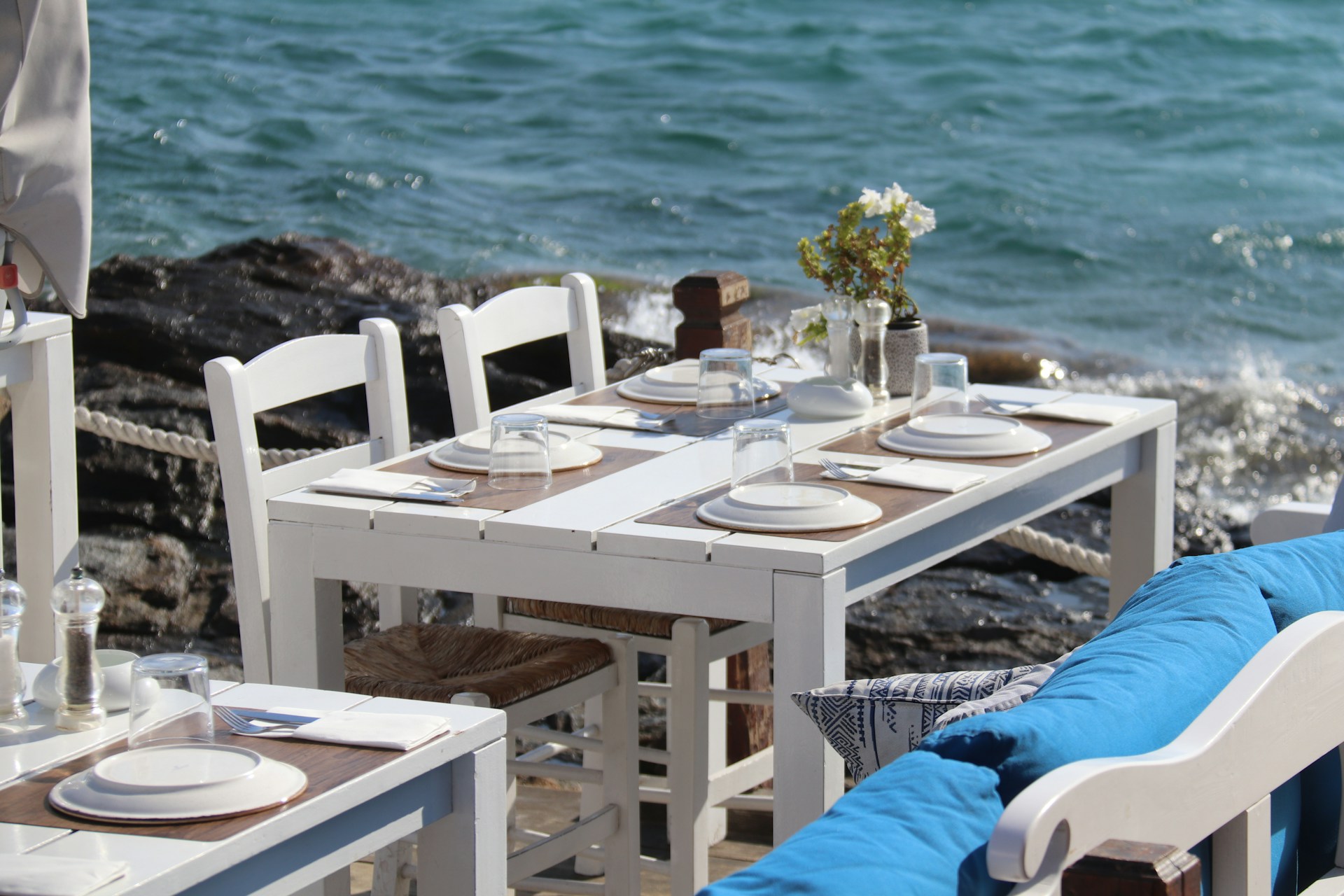
To eat well here is not to indulge—it is to respect the day.
Midday meals still hold meaning on the Costa Blanca. Not hurried, not eaten at a desk or in transit, but shared. For example - a salad of tomatoes and salt cod - this isn’t a salad built for garnish—it’s robust, often shared, and pairs naturally with local rosés or dry whites from nearby vineyards like those around Jalón or Villena. Or perhaps some grilled artichokes in season - grown locally.
The design of the home reflects this centrality. Dining spaces spill outdoors. Kitchens connect to gardens, to herb planters, to pantries lined with preserved lemons and oils. It’s not performance—it’s rhythm.
In Marbella, by contrast, dining often leans toward visibility. Reservations, crowds, music, the weight of being seen. But here, the most memorable meals may be served under a pergola, at home, with no agenda other than being together.
Time, at the table, becomes an act of generosity.
Many local villas are designed around this concept. Open-plan kitchens that blend into shaded outdoor dining areas. Walk-in pantries filled with preserved lemons, local olive oils, and sun-dried tomatoes. Spaces built not for entertaining, but for being together.
It’s not performative—it’s essential.
The Return of Unstructured Time
Perhaps the rarest luxury is unscripted time—the kind that doesn’t come with notifications or agenda.
In the Costa Blanca, this return to unstructured time is part of daily life. A swim not planned, but prompted by sun. A walk along a dusty pine-shaded trail with no destination. A book picked up, and then set down, because the sky has changed and you’d rather watch the clouds drift across it.
These are not gaps in productivity. They are the very fabric of presence. And homes here create space for it. Built-in benches, covered porches, small shaded corners with no defined “use”—they exist for being still.
In a world engineered for doing, these are homes made for being.
Architecture That Supports the Pace
Good design doesn’t just express aesthetic taste—it enables a way of life.
On the Costa Blanca, homes are often low, linear, and intentional. They borrow from vernacular architecture not out of nostalgia, but out of wisdom. Stone insulates. Shutters modulate light. Natural cross-ventilation replaces mechanical air.
Swimming pools are reflective, not showpieces. They exist not to impress, but to cool, to calm, to soften the heat of late afternoons.
Here, there is an understanding that architecture should not shout. It should shelter. It should serve. And in this way, design becomes not just aesthetic—but philosophical.
Saying No, Beautifully
There is something deeply refined in choosing not to be everywhere. Not to chase every invitation or event. The Costa Blanca nurtures that choice.
It’s in the winding mountain roads that discourage rush. In the long shadows that signal when it’s time to pause. In the local traditions that prioritise being over doing.
To say no—to noise, to urgency, to constant outward motion—is not a retreat. It’s a decision. And increasingly, it is a luxury.
Not one that excludes, but one that protects.
Private Time, Shared Well
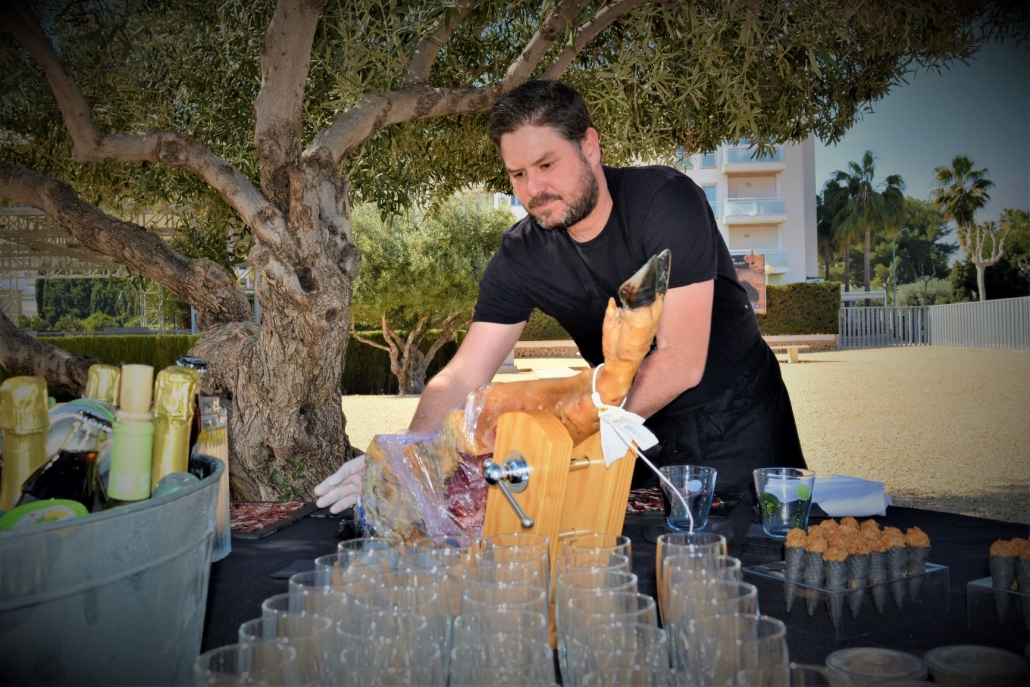
What does it look like to spend time richly, but privately?
On the Costa Blanca, the answer lies in curation. A private chef preparing dinner in your own kitchen, using produce from the local market. A personal trainer arriving for a quiet morning session on your terrace, the sound of the sea in the distance.
This kind of luxury doesn’t need booking systems or waiting lists. It arrives quietly, seamlessly, and entirely on your terms.
In places like Jávea or Benissa, services like those offered by chef Dani Bowler, or bespoke in-home training from professionals like ProFysio or NeoFit, allow you to enjoy the best of what’s available—without ever leaving your home.
Here, privacy is not isolation. It’s freedom.
From Visitor to Resident
What draws people to the Costa Blanca is often visual: the view, the light, the sea. But what changes them is emotional.
Over time, the body slows. The appetite returns—not just for food, but for nuance. For conversation. For quiet. Priorities begin to shift. Rest becomes restoration. Simplicity, a virtue.
What begins as a holiday evolves into a philosophy. And for many, it’s irreversible.
They don’t want to return to rushing. They’ve remembered too much of what they once forgot.
A Thought on Time
The Costa Blanca doesn’t compete for your attention. It waits for it. It offers you space, warmth, rhythm, and silence—not as a performance, but as a way of being.
And that may be the most precious thing of all. Not time as something to spend. But time as something to feel.
Time that is whole. That is lived well. That is yours.